Cold Storage That Protects Inventory Value
Walk-In Cooler & Freezer Repair & Installation in Crossett for restaurants, grocery stores, and schools experiencing temperature fluctuations or system failures
Walk-in coolers and freezers that fail to hold set temperatures put thousands of dollars of perishable inventory at risk, forcing businesses to move product, discard spoiled goods, or operate without adequate refrigeration until repairs are made. Temperature swings of even a few degrees indicate compressor strain, refrigerant loss, or airflow obstruction that will worsen without intervention. CSC of Crossett diagnoses and repairs commercial walk-in refrigeration systems serving restaurants, grocery stores, convenience stores, schools, and other facilities in Crossett, restoring consistent temperatures that protect food safety and business operations.
Diagnosing a walk-in system involves checking refrigerant pressures, inspecting evaporator coils for frost buildup, testing defrost cycles, and verifying that door seals prevent warm air infiltration. Many temperature control problems trace back to refrigerant leaks, failed expansion valves, or evaporator fans that no longer circulate air properly. Repairs may include replacing worn components, recharging refrigerant to manufacturer specifications, or upgrading controls to improve temperature stability during high-demand periods.
Arrange a refrigeration system evaluation to address temperature inconsistencies before product loss occurs.
What Walk-In Refrigeration Service Involves
Repairing a walk-in cooler or freezer starts with isolating the fault—whether it's in the condensing unit outside, the evaporator assembly inside, or the control system that manages defrost and temperature setpoints. Technicians measure suction and discharge pressures, calculate superheat to assess refrigerant charge accuracy, and inspect electrical connections at contactors, relays, and thermostats. Component replacement often includes expansion valves, fan motors, defrost timers, and pressure controls, depending on what's failed and the system's age.
After service, the walk-in maintains the target temperature without cycling excessively or allowing warm spots near the door or floor. Frost patterns on the evaporator coil become uniform, defrost cycles complete on schedule, and the compressor runs only as needed to maintain setpoint. You'll notice stable conditions during door openings, faster recovery after restocking, and consistent product temperatures throughout the storage space.
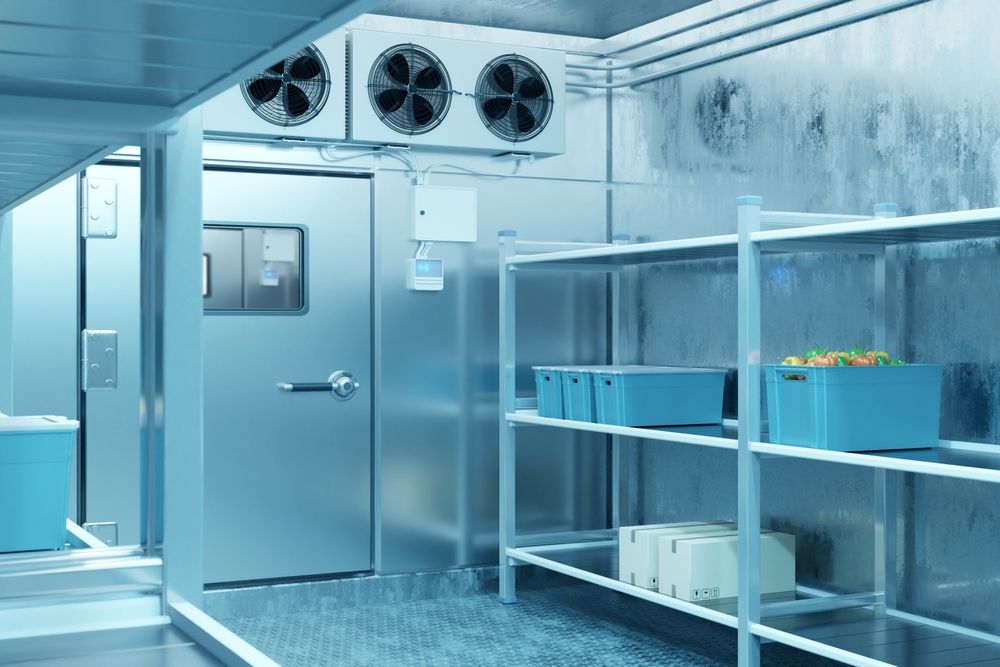
New walk-in installations require coordinating refrigeration capacity with the space's insulation values, door traffic patterns, and the type of product being stored. Systems must account for heat load from frequent door openings, product restocking, and ambient conditions. Installation includes mounting the condensing unit with adequate ventilation, running refrigerant lines with proper slope and insulation, and positioning the evaporator to distribute airflow evenly without creating dead zones where temperatures drift.
Commercial refrigeration systems operate under demanding conditions, and facility managers often ask about performance expectations and service timing.
What causes a walk-in to lose temperature overnight?
Common causes include refrigerant leaks that reduce system capacity, failed door gaskets that allow warm air infiltration, or defrost cycles that don't terminate properly, leaving the evaporator covered in ice.
How do you know if a walk-in needs more refrigerant or has a leak?
Technicians measure operating pressures and compare them to manufacturer charts for the current ambient temperature; low suction pressure combined with reduced cooling indicates a leak that must be located and sealed before recharging.
When should a walk-in condensing unit be replaced?
Units with compressor failures, cracked heat exchangers, or severe corrosion often cost more to repair than replace, especially if the system uses outdated refrigerants that are being phased out.
What refrigeration issues are specific to Crossett's climate?
High summer temperatures and humidity increase condensing pressures and require more frequent condenser coil cleaning to maintain efficient heat rejection, particularly for outdoor units exposed to pollen and airborne debris.
How often should walk-in systems be serviced?
Most manufacturers recommend biannual maintenance to clean coils, check refrigerant charge, test safety controls, and verify defrost operation before peak demand seasons when failures are most disruptive.
Questions Businesses Have About Walk-In Systems
CSC of Crossett provides walk-in cooler and freezer services that reduce downtime and protect inventory in commercial facilities throughout Crossett. Schedule refrigeration service to address specific performance concerns or discuss installation requirements for new equipment.